The Role of Structured Exercise in Cardiovascular Health and Health Span


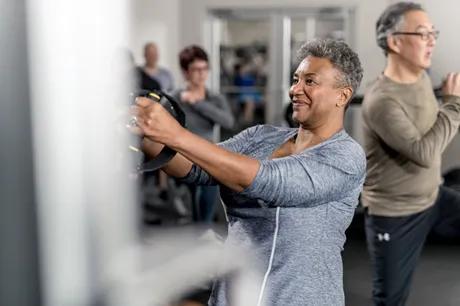
In recent decades, life expectancy has steadily increased. In Italy, by 2050, the average lifespan is projected to reach 88 years, but nearly one-third of that time may be marked by chronic disease and disability.1,2 The goal for fitness professionals is not only to add years to life but also to add life to years by improving quality of life and independence during aging.
The Heart as the Cornerstone of Vitality
The cardiovascular system is the engine of our health. Physical inactivity is now recognized as one of the main risk factors for chronic diseases, including heart disease, stroke, and diabetes. In fact, sedentary lifestyles may raise the risk of cardiovascular disease by 30% or more.3 Significant risk reductions occur with just 150 minutes of moderate physical activity per week, as recommended by the World Health Organization.
Exercise and “Health Span”
Training is not limited to preventing disease; it becomes real medicine for cardiovascular health.
Scientific evidence shows that:
- Resistance training (strength): Preserves muscle mass and improves insulin sensitivity, lowering the risk of diabetes4 and metabolic syndrome.5
- Aerobic training (brisk walking, cycling, swimming): Strengthens cardiac function, reduces blood pressure, and improves lipid profile.6
- High-Intensity Interval Training (HIIT): Effective even for those with pre-existing heart disease risk factors, HIIT consistently improves cardiorespiratory capacity and heart rate variability,7 two markers of longevity.
- Multicomponent activity: Combining strength, endurance, balance and flexibility may be the most effective strategy to slow functional decline and enhance quality of life.8
Guiding Clients with Expertise
Trainers and kinesiologists must go beyond offering exercises by creating safe and tailored programs.
- Collaborate with doctors and specialists, especially for clients with chronic conditions.
- Use simple functional tests (6MWT, sit-to-stand, handgrip) to monitor progress and adherence.
- Leverage wearable technology to keep clients engaged, accountable, and focused on progress they can track
- Educate clients about consistency, because regular practice matters more than intensity.
Sustainable Business Growth
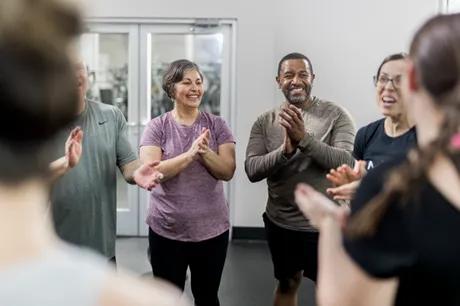
For fitness center managers, focusing on active aging means supporting current members and serving more of their communities. Research on the burden of preventable diseases in Italy emphasizes the need for “comprehensive strategies to promote physical activity” among older individuals, with nearly a quarter of Italians already age 65 or older.9 Facilities that offer dedicated active aging programs support community health while contributing directly to business growth and sustainability.
As movement professionals, we have a responsibility to turn research into daily practice. Including evidence-based cardiovascular health protocols in fitness programs is not just an added value, it’s the key to extending clients’ health span and strengthening the credibility of our sector.
Tomorrow, in your facility, try adding a mix of strength and brisk walking for clients over 50. Each quality session you guide reinforces the promise of exercise as preventive medicine.
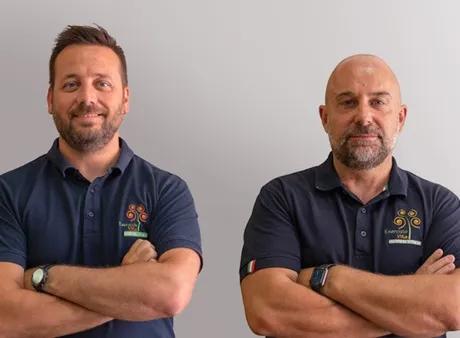
Dr. Michele Felisatti and Dr. Luca Pomidori
References
- Naghavi et al. State of health and inequalities among Italian regions from 2000 to 2021: A systematic analysis based on the Global Burden of Disease Study 2021. The Lancet Public Health 2025; 10(4): 309-20.
- Monasta et al. Italy's health performance, 1990-2017: Findings from the Global Burden of Disease Study 2017. The Lancet Public Health 2019; 4(12): 645-57.
- Onagbiye et al. Association of Sedentary time with risk of cardiovascular diseases and cardiovascular mortality: A systematic review and meta-analysis of prospective cohort studies. Prev Med 2024; 179: 107812.
- Momma et al. Muscle-strengthening activities are associated with lower risk and mortality in major non-communicable diseases: A systematic review and meta-analysis of cohort studies. Br J Sports Med 2022; 56: 755-63.
- Bakker et al. Association of resistance exercise, independent of and combined with aerobic exercise, with the incidence of metabolic syndrome. Mayo Clin Proc 2017; 1214-22.
- Gibbs et al. Physical activity as a critical component of first-line treatment for elevated blood pressure or cholesterol: Who, what, and how? A scientific statement from the American Heart Association. Hyperten 2021; 78(2): 26-37.
- Ortiz-Guzman et al. Effects of physical training on heart rate variability in patients with metabolic syndrome: A systematic review and meta-analysis. J Clin Med 2025; 14(17): 6129.
- Bouaziz et al. Health benefits of multicomponent training programmes in seniors: A systematic review. Int J Clin Pract 2016; 70(7): 520-36.
- Naghavi et al. State of health and inequalities among Italian regions from 2000 to 2021: A systematic analysis based on the Global Burden of Disease Study 2021. The Lancet Public Health 2025; 10(4): 309-20.